
PreciseDM Blog
Clinical insights on insulin dosing
Practical perspectives, decision-support frameworks, and honest takes on the daily realities of diabetes care.
Diabetes and Infection Risk: Wound Healing, UTIs and Surgical Outcomes
Diabetes increases both the risk and severity of infection. Review which infections to watch for, wound healing, surgical risk and the vaccines that matter.
Gastroparesis and Autonomic Neuropathy in Diabetes: Diagnosis and Impact
Diabetic gastroparesis causes nausea, early fullness and unpredictable glucose, including lows after meals. Learn how to diagnose it correctly and what else autonomic neuropathy affects.

Diabetes and Periodontal Disease: A Two-Way Relationship
Diabetes worsens periodontitis, and periodontitis worsens glycemic control. Periodontal treatment lowered HbA1c by about 0.4 points in a 2022 Cochrane review.
Diabetes and Cognitive Decline: What the Evidence Shows About Dementia Risk
Diabetes raises dementia risk by roughly 1.5 to 2 times, and the link with hypoglycemia runs both ways. Learn when to screen and how to adapt care.
Diabetes and Bone Health: The Overlooked Fracture Risk
Diabetes raises fracture risk even when bone density looks normal. Learn why FRAX and DXA underestimate risk in type 2 diabetes and how to adjust for it.

Diabetes and Heart Failure: Risk, Recognition and Prevention
People with diabetes have a 2–4 times higher risk of heart failure. Learn how to screen with natriuretic peptides and which diabetes medicines help or harm.
Diabetic Peripheral Neuropathy: Early Signs, Pain and Progression
Distal symmetric polyneuropathy affects up to half of people with diabetes, and many have no symptoms. Screen early, protect the foot and treat pain realistically.
Diabetic Retinopathy: Screening Intervals and the HbA1c Connection
Diabetic retinopathy is often symptom-free until vision is threatened. Review screening intervals, the HbA1c evidence and the early-worsening caveat.
Diabetic Kidney Disease: Screening, Progression and Why Glycemic Control Matters
About 1 in 3 adults with diabetes has chronic kidney disease. Here is how to screen with UACR and eGFR, and the four therapy pillars that slow progression.
Diabetes and MASH (Formerly NASH): What Clinicians Need to Know About Fatty Liver Progression
MASLD affects more than half of adults with type 2 diabetes. Learn how to screen with FIB-4, when to escalate to liver stiffness testing, and what slows progression.

Diabetes Foot Assessment: Turning Prevention Into Routine Care
Foot problems may begin quietly when sensation is reduced. A structured assessment and clear referral plan make prevention part of everyday diabetes care.

Diabetes Distress: Making Space for the Clinical Conversation
The daily demands of diabetes can overwhelm even well-informed patients. Recognizing distress helps clinical teams address barriers without blame.

Exercise and Insulin Safety: Planning Beyond the Workout
Physical activity changes glucose during and after exercise. A practical clinical conversation helps patients prepare without relying on blanket insulin advice.

Insulin Storage and Travel: A Clinical Safety Review
Travel changes temperature, timing, food, activity, and supply access. A pre-travel insulin review can prevent avoidable disruptions.

Food Insecurity and Safer Insulin Treatment Planning
An insulin plan that assumes predictable meals may become unsafe when food access changes. Respectful screening can uncover a modifiable risk.

Shift Work and Insulin Management: Clinical Planning
Rotating schedules can disconnect insulin timing from meals and sleep. A practical plan starts with the patient's real shift pattern.

Injection-Site Assessment in Insulin-Treated Patients
Injection technique and site condition can quietly undermine an otherwise appropriate insulin plan. Routine assessment makes the issue visible.
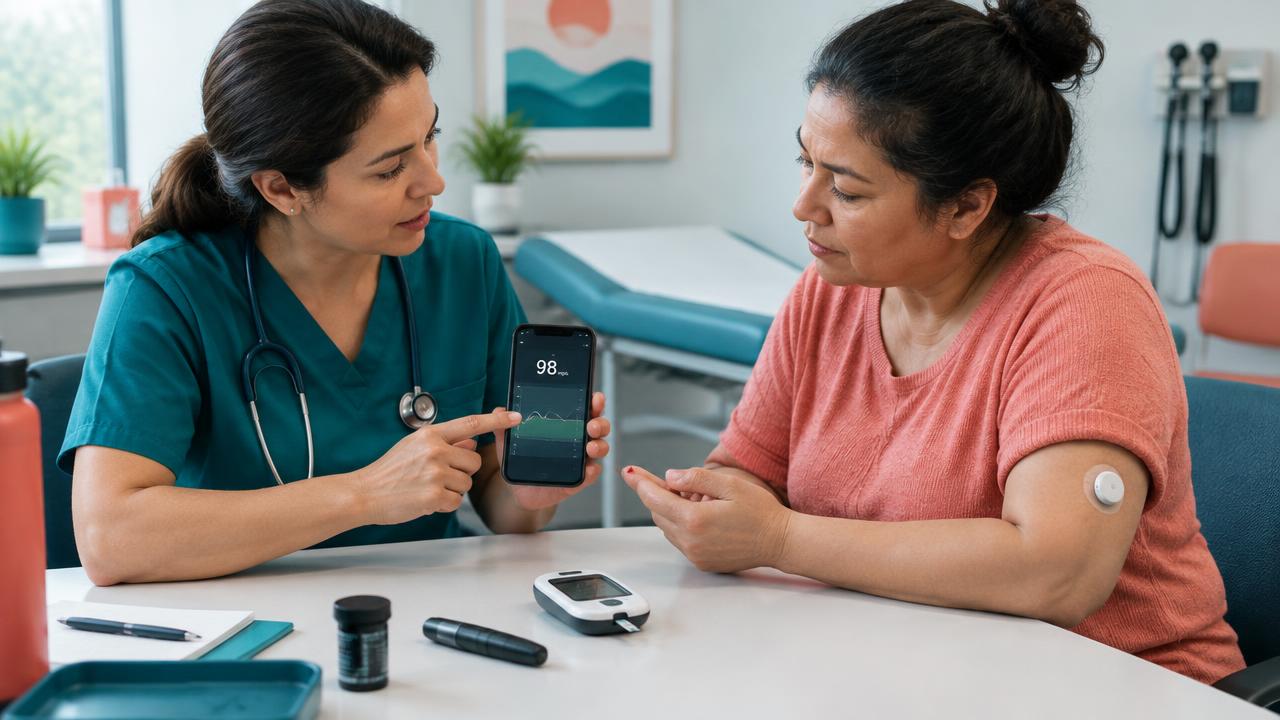
When CGM and Fingerstick Glucose Readings Do Not Match
A difference between CGM and capillary readings is a prompt to assess timing, symptoms, technique, and device context—not to guess.

Safer Insulin Transitions From Hospital to Home
Discharge changes the people, routines, meals, and monitoring around insulin therapy. Reliable handoffs can reduce avoidable errors at home.

Simplifying Insulin Regimens for Older Adults
For older adults, the safest insulin plan is one that matches clinical goals, daily function, meal patterns, and available support.

Reviewing Hypoglycemia Risk During Insulin Therapy
A low glucose event should trigger more than a quick dose change. Pattern, timing, awareness, medications, meals, and daily routines all matter.

Insulin Medication Reconciliation: Preventing Errors
Insulin discrepancies can persist across referrals, admissions, and pharmacy changes. A product-by-product review helps clinicians find risk before harm occurs.

Sick-Day Insulin Management: A Practical Clinical Review
Illness can destabilize glucose rapidly. A clear sick-day plan helps patients continue essential treatment, monitor safely, and know when to seek help.

Why Patients Do Not Always Follow Their Insulin Regimen, and What That Means for Clinical Management
Non-adherence is usually a signal, not a failing. Understanding why insulin doses are missed helps clinicians plan care that patients can realistically sustain.

Diabetes Self-Management Education: Why the Evidence Is Strong but the Delivery Falls Short
Structured diabetes education is widely recommended, but referral, access, and follow-up frequently break down in real clinical workflows.

Insulin Pump Therapy: The Clinical Management Challenges That Come After the Prescription
Prescribing an insulin pump is only the beginning. The real work of pump therapy lies in dose settings, monitoring, troubleshooting, and coordinated follow-up.

Managing Diabetes in Patients on Chemotherapy: A Clinical Challenge That Belongs to Everyone
Chemotherapy can reshape glucose control through steroids, stress, altered intake, and the cancer itself. Insulin dosing in these patients requires coordination across oncology and diabetes care teams.

Clinical Burnout and Diabetes Care: The Connection That Does Not Get Talked About Enough
Diabetes care asks for repeated, high-stakes judgement under time pressure. A look at workload, decision fatigue, and more sustainable clinical workflows.

Diabetes and Obesity: Why Standard Insulin Dosing Approaches Frequently Fall Short
Obesity reshapes insulin requirements in ways simple formulas rarely capture. A practical look at the dosing challenges and safer assessment.

Nurse Practitioners and Insulin Dosing: Managing Complexity Without Always Having Specialist Backup
Nurse practitioners increasingly initiate and titrate insulin in primary care, often without immediate specialist backup. Here is how structured decision-making, documentation, and clear escalation pathways support safer dosing.

Insulin Management in the ICU: Why Critical Care Glucose Control Is in a Category of Its Own
Critical illness changes insulin requirements hour by hour. Here's why ICU glucose control needs its own protocols, and what safe transitions back to the ward require.

The Expanding Role of Pharmacists in Insulin Management: Opportunity and Gap
Pharmacists are among the most accessible and medication-literate members of the care team, yet remain underused in insulin management. Here's the opportunity, and the gap.

Managing Diabetes During Ramadan: What Healthcare Providers Need to Know
Fasting reshapes meal timing, medication schedules and hypoglycemia risk in diabetes. How providers can plan Ramadan care weeks before the month begins.

Managing Diabetes Around Surgery: Why the Perioperative Period Is One of the Riskiest Times in Diabetes Care
Surgery places patients with diabetes under significant metabolic stress. Here's what changes across the preoperative, intraoperative, and postoperative phases, and how structured support keeps glucose control on track.

Diabetes and Cardiovascular Disease: Why Insulin Management Needs Extra Care
Cardiovascular disease changes the risk-benefit calculation of insulin dosing. Here is how clinicians can approach this high-stakes population with structured, risk-aware decision support.

Managing Insulin in Patients on Enteral and Parenteral Nutrition: A Clinical Challenge Clinicians Face More Than They Talk About
Continuous enteral feeds, TPN, and feeding interruptions create insulin dosing challenges that meal-based frameworks don't address. Here's what clinicians need to consider.

Insulin Dosing in Patients with Renal Impairment: What Changes and Why It Matters
CKD alters insulin clearance, gluconeogenesis, and hypoglycemia risk. Here's what clinicians need to consider when managing insulin in patients with renal impairment.

Diabetes in Pregnancy: The Clinical Challenges That Go Beyond Gestational Diabetes
Pre-existing type 1 or type 2 diabetes in pregnancy brings complex insulin management challenges across trimesters and postpartum. Here's what clinicians need to consider.

Insulin Dose Adjustment: The Clinical Decisions That Keep Getting Postponed
Insulin titration is one of the most consistently neglected aspects of diabetes management. Here's when to adjust, what drives it, and how structured tools help.

Multidisciplinary Diabetes Care: Why Good Intentions Are Not Enough
Team-based diabetes care improves outcomes but brings real coordination challenges. Here's how structured tools help teams stay aligned across providers and settings.

What Continuous Glucose Monitoring Changes for Clinical Decision-Making
CGM has moved from a niche tool for type 1 patients to a recommended standard across a much wider population. Here's what that shift means for clinical decisions and insulin dosing.

Why Clinicians Still Hesitate to Adopt Digital Diabetes Tools, and What Changes That
Digital diabetes tools exist, but clinician adoption often does not follow. Here's an honest look at the real barriers and what makes a tool earn a place in daily clinical workflow.

Managing Diabetes During Ramadan: What Healthcare Providers Need to Know
Approximately 150 million people with diabetes worldwide observe Ramadan each year. Here's a structured look at the clinical challenges of fasting and how providers can support safer insulin management.

Managing Diabetes Around Surgery: Why the Perioperative Period Is One of the Riskiest Times in Diabetes Care
Up to 20 percent of surgical patients have diabetes, and the perioperative period disrupts every assumption insulin management depends on. Here's a structured look at the challenges.

Basal Bolus Insulin Therapy: The Clinical Decisions That Are Harder Than They Look
Basal bolus is considered the gold standard for physiological insulin replacement, but its clinical demands are real. Here is what structured support contributes.

Type 1 and Type 2 Diabetes: Why Insulin Dosing Is Not the Same Decision
Both type 1 and type 2 patients may end up on insulin, but the clinical logic behind dosing is meaningfully different. Here is what matters most for providers.

Inpatient Hyperglycemia: Why Hospital Glucose Management Remains One of the Hardest Problems in Diabetes Care
Inpatient hyperglycemia affects up to 46% of non-critically ill patients. Why is hospital glucose management so hard, and what does better structured support look like?

Why Insulin Initiation in Type 2 Diabetes Is Harder Than It Should Be
Insulin initiation in type 2 diabetes is often delayed by years. Here is an honest look at why therapeutic inertia happens and what structured decision support changes.

From Manual Estimation to Structured Support in Modern Diabetes Care Tools
Insulin dosing is shifting from in-head manual estimation to structured digital decision support. Here's what that evolution means for clinical practice.

Time Constraints in Clinical Practice and Their Impact on Diabetes Care Decisions
The gap between the time good insulin management requires and the time clinical workflows actually provide is one of the most underappreciated sources of risk in diabetes care.

Gestational Diabetes Care: The Need for Personalized Support Tools for Clinicians
Every gestational diabetes decision is being made for two patients at once, in a narrow window, with shifting physiology. Here's why personalized clinical support matters so much in this scenario.

Managing Steroid-Induced Hyperglycemia: Clinical Challenges for Practitioners
Steroid-induced hyperglycemia behaves differently from ordinary diabetes — shifting doses, missed patterns, and gaps between specialties. Here's an honest look at the challenges and what structured support can offer.

Reducing Cognitive Load in Diabetes Care for Busy Healthcare Providers
Every clinical shift carries an invisible weight — decisions, variables, and time pressure. Here's how reducing cognitive load improves diabetes care.

Supporting Clinical Judgment: The Role of Digital Tools in Insulin Dosing Decisions
Digital tools don't replace clinical judgment — they support it. Here's how structured decision support helps clinicians make better insulin dosing decisions.

Why Consistency in Insulin Dosing Decisions Is Difficult Across Clinical Settings
Insulin dosing is as much art as science — yet healthcare expects consistent, defensible outcomes. Here's why standardization is hard, and what better support looks like.

Challenges Clinicians Face While Determining Insulin Dosage in Daily Practice
Insulin dosing sits at the intersection of patient variability, incomplete information, and time pressure. Here's an honest look at the daily challenges and what better decision support looks like.